From lobsters to Jell-O: Searching the past to find the future
Published:
This content originally appeared in the Ecological Forecasting Initiative blog here: https://ecoforecast.org/from-lobsters-to-jell-o-searching-the-past-to-find-the-future/
What is the future of the ocean?
It seems like this might be a question for a forecaster. But is it?
Where I live, on the shores of the northern North Atlantic, fishing for lobsters is a multi-generational pastime that supports the livelihoods and cultures of hundreds of coastal villages. Despite the small scale of individual operations, the fishery, taken in total, has often been the most valuable in North America. Over the many generations, there have been ups and downs, and with so many uncertainties looming, it’s natural to ask about the future.
Here’s where you might think it’s a good time to pick up the yellow pages and dial your local forecaster. At least, this was my line of thinking when I started doing ocean forecasting in the early aughts. There’s lots of interesting data and some practical questions about the future… it’s just what ecological forecasting is meant for.
Yet in the world of lobstering, forecasts are typically met with dismissal and even derision. For example, following a forecast in 2000, one reporter quoted a lobsterman saying, “Lobstermen have concrete numbers that they see out there and the scientists have mathematical numbers on a computer that are soft like Jell-O.“
Oof.
Just like lobstering, the practice of making scientific forecasts for the lobster fishery is also a multi-generational pastime. The mathematics of fisheries forecasting was set out more than a century ago, and the scientific perspective of using it as an iterative hypothesis-testing loop is probably just as old. The fisheries scientist Arthur Simpson put it this way in the 1950s: “predicting what is going to happen and checking it against the actual events is to the fishery biologist one form of the universal research tool of formulating a hypothesis and putting it to the test.” In this tradition, scientists have been making lobster forecasts for generations.
Yet year after year, decade after decade, lobster forecasts have met an unforgiving audience. Quotes like the Jell-O one are not just amusing; they’re common. If you want to entertain yourself with a decades-long history of this type of response to forecasts, stay tuned. Meanwhile, my question is: why? What are we getting wrong?
To figure out the disconnect, I found myself collaborating with (among others) the historical ecologist Dr. Loren McClenachan, who was helping to run the Oceans Past Initiative (OPI). Beginning around 2005, OPI aims to “uncover the history of marine ecosystems and human-ocean relationships”. Loren, myself, and a few other collaborators took a deep dive into the history of lobster forecasting. Using a news corpus (see Figure 1 for an example), policy documents, landings and climate data, and a review of scientific forecasting methods, we tried to understand the tension between forecasts and their intended audience.
If you want to find out what we discovered, and of course read more anti-forecast quotes, you can (shameless plug), read the paper here.
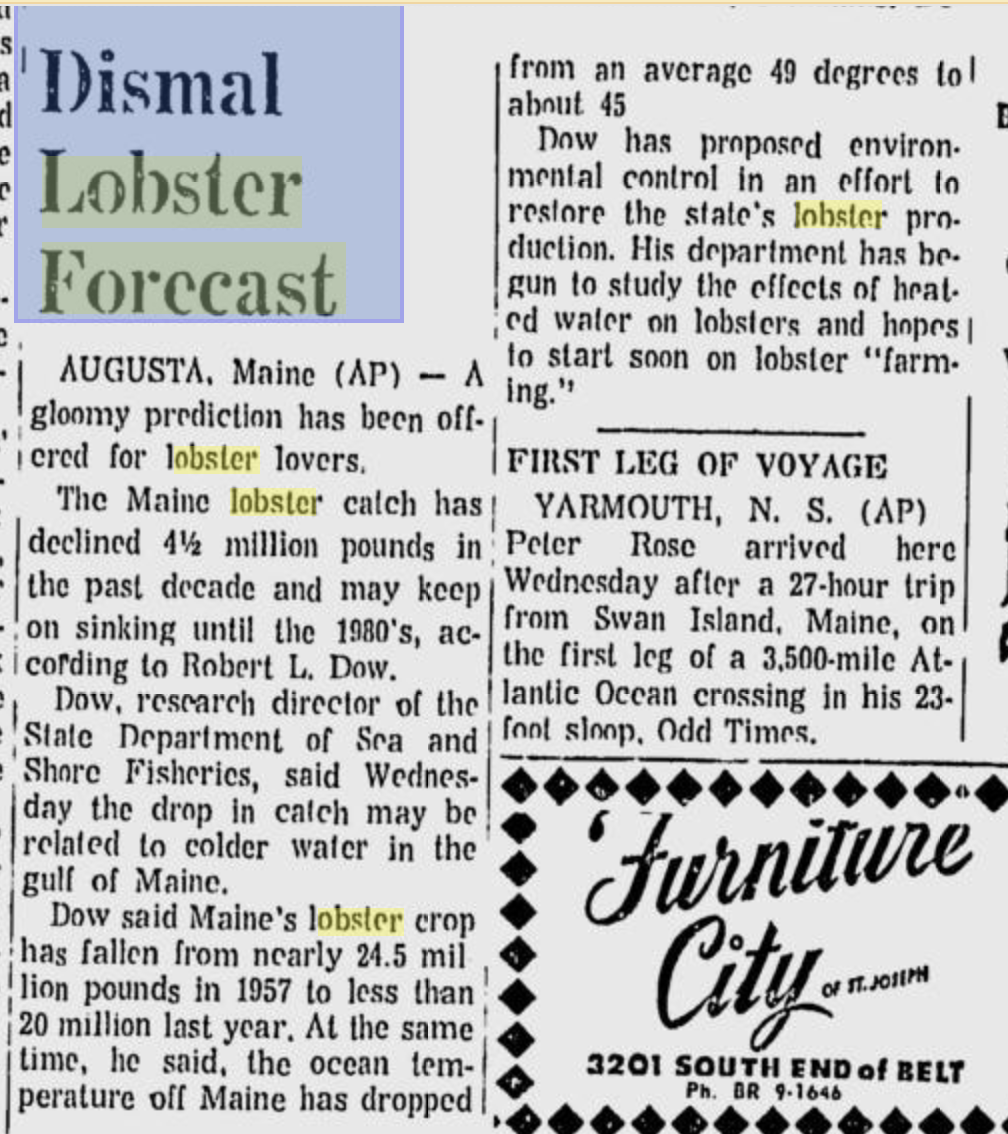
Figure 1: A short 1987 newspaper article from the historical corpus analyzed.
The reason I’m sharing this is not about lobster forecasting in particular, though. It has to do with the importance of understanding the historical context of the forecasts we’re focusing on. Loren looped me into OPI, and I attended their annual meeting. It was an amazing week. I found myself adventuring down histories of clam gardens, diaries, parasites, and whale communication. I now find myself collecting Victorian era cookbooks (à la Figure 2) and poring over them with friends on Saturday nights because the recipes tell me which fish were abundant in centuries past. I also made countless connections in my mind between the ocean’s past and its future.
One thing I try to say often is that forecasting isn’t exactly a scientific or mathematical exercise. It’s a social act. One dimension of that social act is its historical context. No matter how fancy the next generation of algorithms gets, forecasters will not be helpful if we miss this dimension.
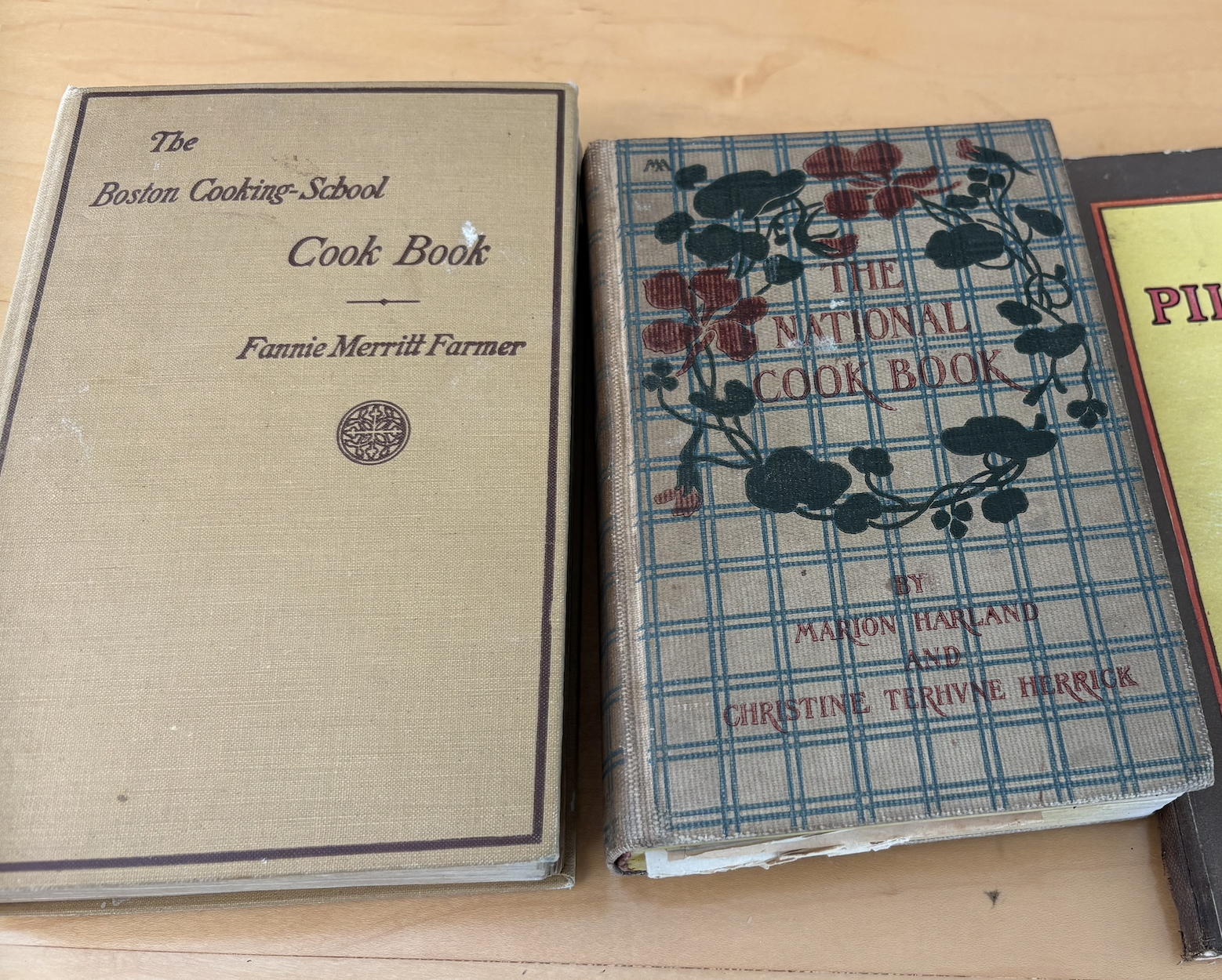
Figure 2: Old cookbooks containing hidden information on past fisheries.
I recommend to any aspiring forecaster: try to get to an OPI meeting at some point. Or, if your area of ecological forecasting has nothing to do with the ocean, find a similar meeting with opportunities to connect with historians in your realm.
When it comes to knowing the ocean’s future, a historian is just as valuable as a forecaster. Or, as the old saying goes, those who predict the future without understanding the past are doomed to be humorously mocked by lobstermen.
References
Oceans Past Initiative: https://oceanspast.org/
Record NR, Evanilla J, Goode AG, Groner M, McClenachan L. 2026. Forecasting in hindsight for the American lobster fishery. FACETS. 11:1-0. https://doi.org/10.1139/facets-2025-0113
Simpson AC. 1956. The pelagic phase. Ibid. 207-250.